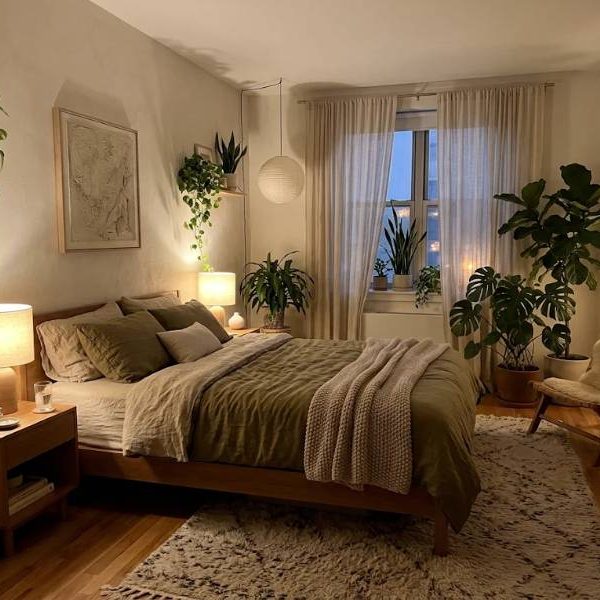
A short term rental lives or dies by its reviews, and reviews are shaped by small details that guests notice within seconds of walking in. Good interior design for a rental is not about expensive furniture. It is about comfort, clarity and a space that photographs well and works for strangers.
Start with the guest you want
Business travelers, couples and families all want different things from the same apartment. Before you buy a single cushion, decide who you are designing for and write down what that person needs after a long journey, such as a quiet desk, a deep sofa or space for a stroller.
Design for one main guest type and let that choice guide every purchase, because a space that tries to please everyone usually impresses no one.
Make the entrance work
The first three meters decide the mood of the stay. A clean entrance with a hook for coats, a small bench, a mirror and a clear place for keys and shoes tells guests that the home has been thought through, and it prevents clutter from spreading into the living area on the first evening.
Add a welcome card with the wifi details and a short note in your guest main language, because a friendly first impression is worth more than any decorative object.
Use light like a designer
Lighting changes how a room feels more than paint or furniture. Combine soft ceiling light with table lamps and a few warm accent bulbs so guests can choose a bright mood for cooking or a calm one for the evening, and avoid cold white bulbs that make a cozy room feel like an office.
Natural light is the best asset you have, so keep curtains light, mirrors well placed and windows spotless for photographs and for guests who wake early.
Invest in the bed first
Guests forgive a plain living room, but they rarely forgive a poor night of sleep. Choose a quality mattress, two types of pillows, a duvet that suits the season and crisp white linen that is easy to wash and replace, and keep a spare set ready for quick turnovers.
A simple headboard, bedside tables with lamps and blackout curtains make a bedroom feel like a boutique hotel without a boutique budget.
Keep the kitchen simple but complete
Guests want a kitchen that works on the first try. Provide a kettle, a coffee option, sharp knives, two good pans, plates and glasses for the maximum number of guests, and label cupboards if the layout is unusual, so nobody has to search or send a message at night.
Remove anything that is chipped or half used, and leave only basic supplies such as salt, oil and dish soap, which feel generous without becoming a cost problem.
Choose a consistent style
A rental looks professional when colors and materials repeat. Pick a palette of three or four colors, such as warm white, wood, green and one accent, and repeat them in textiles, art and plants so each room feels connected rather than assembled from random pieces.
Local touches, such as a ceramic bowl from a regional maker or a framed map of the neighborhood, give the home personality and make guests feel they are staying somewhere real.
Choose durable, easy to clean materials
Rentals face heavy use, so practical choices protect your margins. Washable covers, stain resistant rugs, solid wood or laminate surfaces and simple hardware stand up to frequent turnovers, and they keep the apartment looking fresh in the hundredth review as much as in the first.
Avoid delicate fabrics and white furniture in high traffic areas, and keep a small repair kit and spare bulbs on site.
Photograph the design properly
Your listing photos are your first design test. Clean every surface, open the curtains, turn on all lamps and shoot in daylight from the corners of each room with a wide but natural lens, and show each sleeping area and the kitchen clearly.
Avoid heavy filters, because guests who feel misled by photos leave lower scores even when the space is good.
Create a simple house guide
A short, well designed guide placed in a frame or a folder reduces questions and builds trust. Include checkout times, appliance tips, nearby groceries, public transport and emergency numbers, written in clear and friendly language.
Hosts with international guests often use Spanish translation services to prepare guides, signs and listings that sound natural to travelers from Spanish speaking countries.
Treat finances as part of the design
Every design choice should be tied to a budget and a return. Track furnishing costs, cleaning, supplies and repairs in one sheet, and compare them with the extra nightly rate and the number of bookings the improvements bring.
Investors who buy property abroad often need financial records for lenders, and our guide to bank statement translation explains how those documents are prepared accurately.
Follow the rules where you host
Short term rentals are regulated in many cities, with limits on nights, safety equipment and taxes. Check local requirements for smoke alarms, registration and insurance before you finish the design, since last minute changes cost more than planned ones.
General guidance for small business owners is available from official sources such as the IRS small business and self employed pages, which explain record keeping and income reporting in the United States.
Think of design as service
The best interior for a rental is one that quietly solves problems before guests ask. A hair dryer in the bathroom, enough hangers, a clear place for luggage and a bedside charger are small gestures that tend to appear in five star comments.
When every object has a reason, the home feels thoughtful, and thoughtful homes earn better reviews, repeat guests and stronger income over time.